
.jpg?imageMogr2/format/webp)
This FAQ summarizes common brake pad issues in three main areas: rapid or abnormal wear, poor braking performance with a shiny pad surface, and other serious failures.
A: The main causes and solutions are:
• Pad burning: Frequent braking can raise temperatures beyond the resin’s limit. The resin then carbonizes and decomposes, causing the friction material to fall off.
Solution: Use a stronger resin material and increase the anti-burning formulation. Reduce rapid acceleration, hard braking, and long-distance downhill driving at low speed. No product is absolutely immune to pad burning.
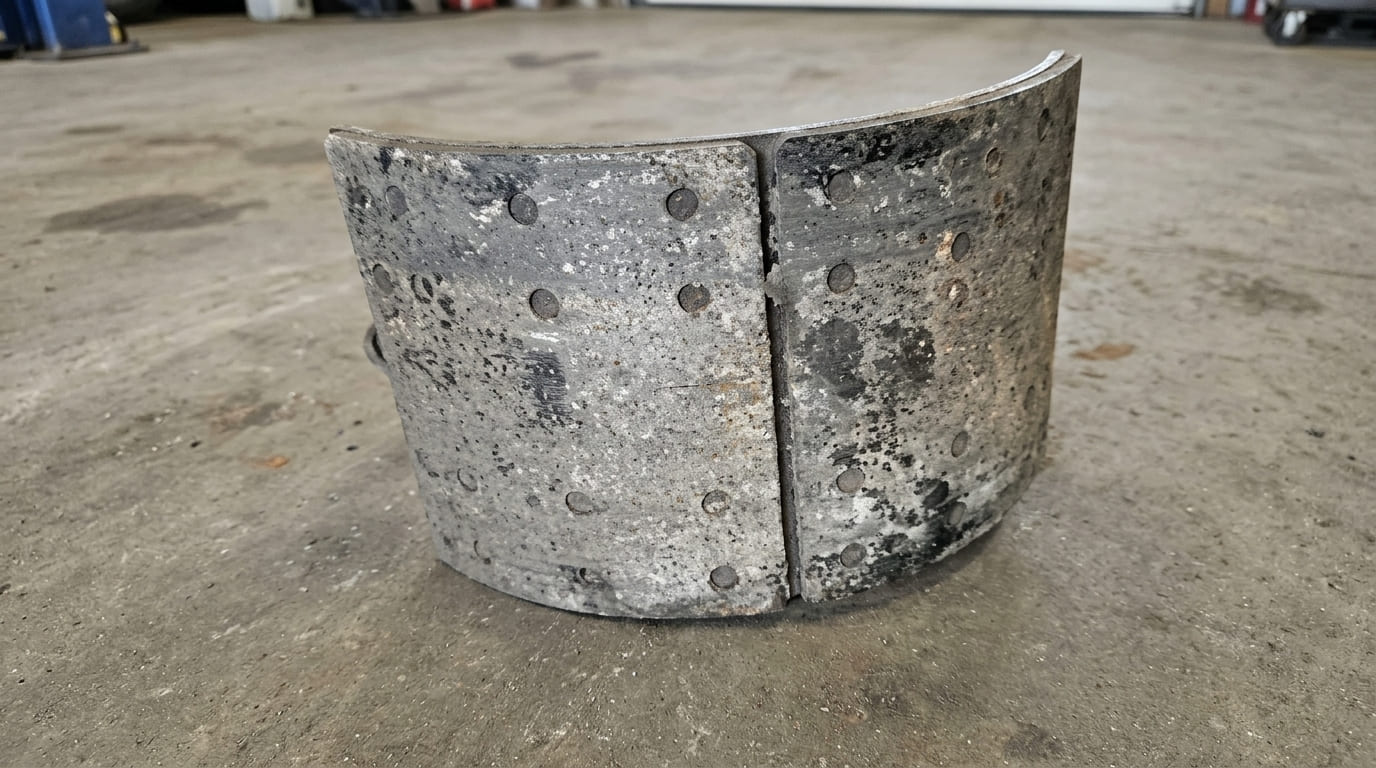
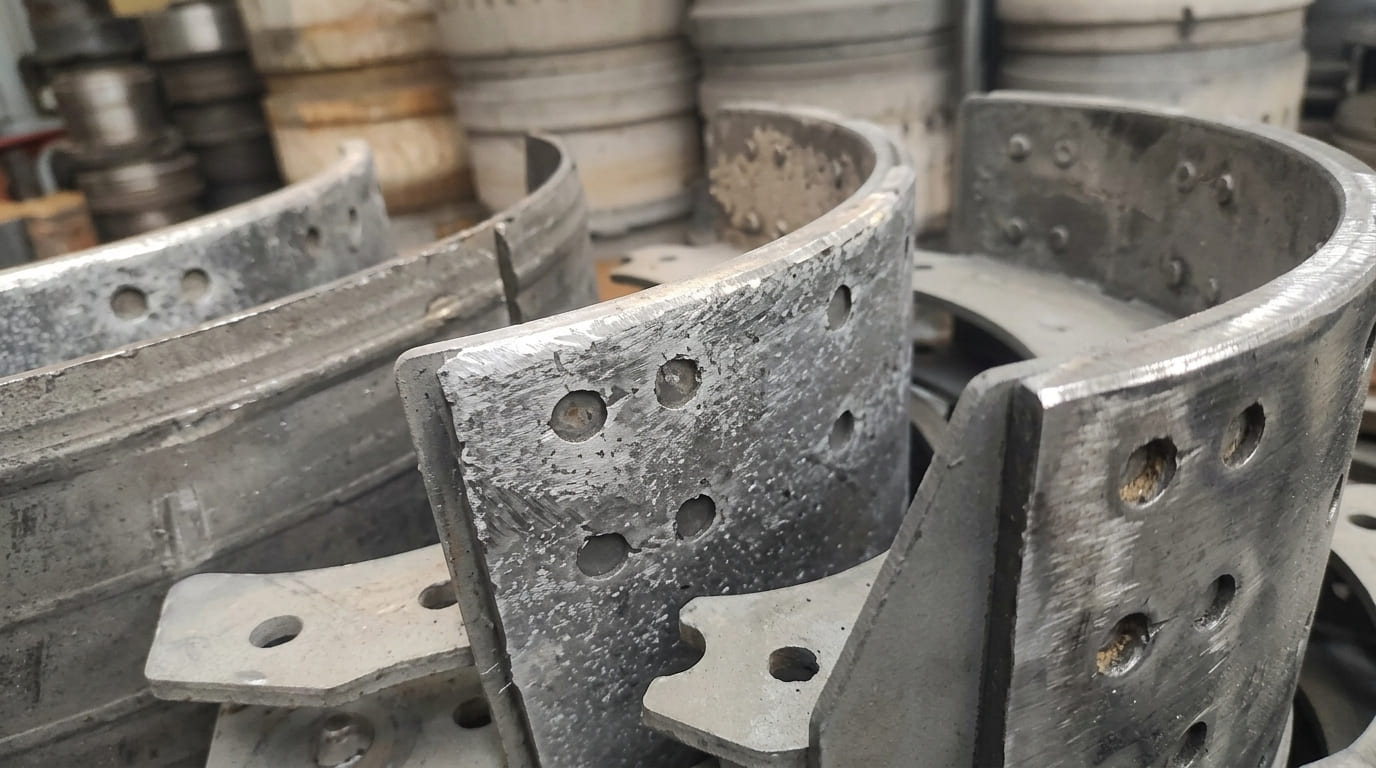
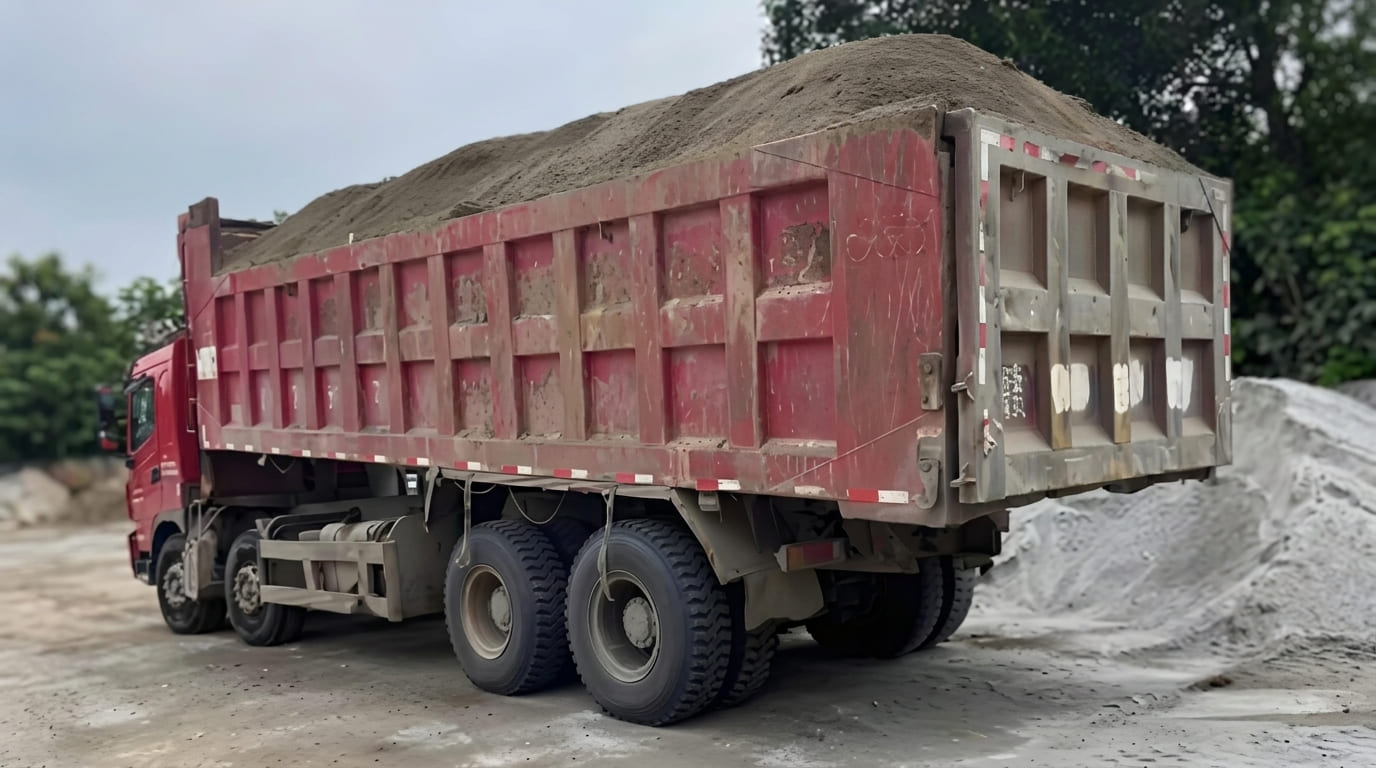
• Severe vehicle overload: Heavy braking loads, frequent braking on long mountain descents, and poor heat dissipation accelerate wear.
Solution: Choose materials with high strength and a stable friction coefficient. Improve braking habits and add auxiliary braking.
Key point: Overemphasizing wear resistance may make the brake feel hard and reduce braking force. A stable friction coefficient and good braking performance are the most important factors.
• Brake drum surface problems: A rough or scored brake drum surface, or a drum that is out of round or deformed, can cause abnormal wear.
Solution: Strengthen brake drum dimensional standards and product compliance.
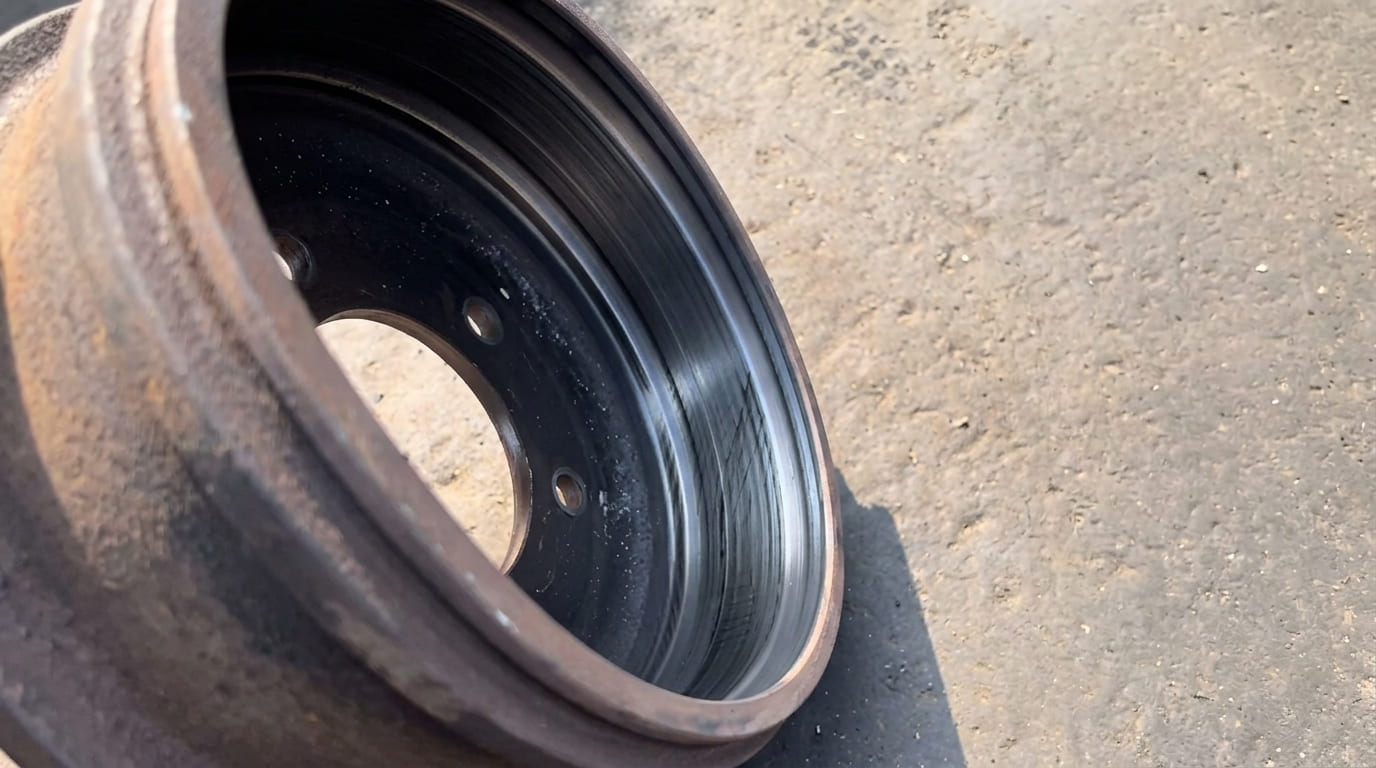
• Uneven wear and mechanical drag: These can be caused by an out-of-round brake drum, misaligned support pins/camshafts, failed return springs, wheel cylinder/adjuster arm failure, or improper installation. A sticking or seized wheel cylinder can cause long-term slight friction drag, often with sharp or dull abnormal noise, and can wear out the brake pads in a very short time.
Solution: The root cause of uneven wear must be identified and corrected. Otherwise, new pads may wear out within a few thousand kilometers, damage the brake drum, and cause dangerous brake pull.
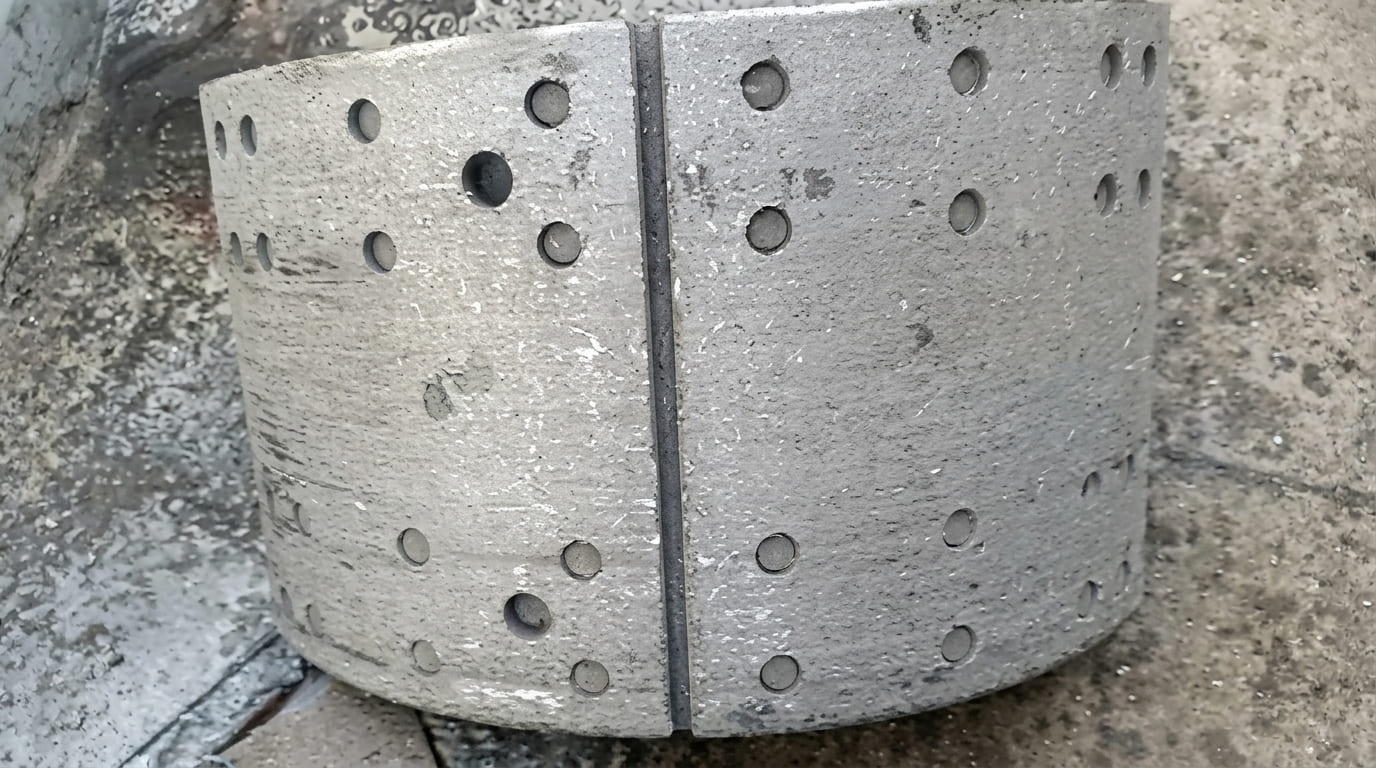
A: Possible causes include:
• System failure: Problems in the brake hydraulic circuit, or a brake booster failure, can cause a hard pedal that is difficult to depress.
• Insufficient contact area: An out-of-round brake drum can cause partial contact, reducing the actual friction area.
• Material formulation imbalance: Excessive lubricant or insufficient friction-enhancing filler in the formulation can reduce performance.
• Consequence: Together, these can cause severe heat fade, greatly reduced braking performance, and a shiny or glazed pad surface.
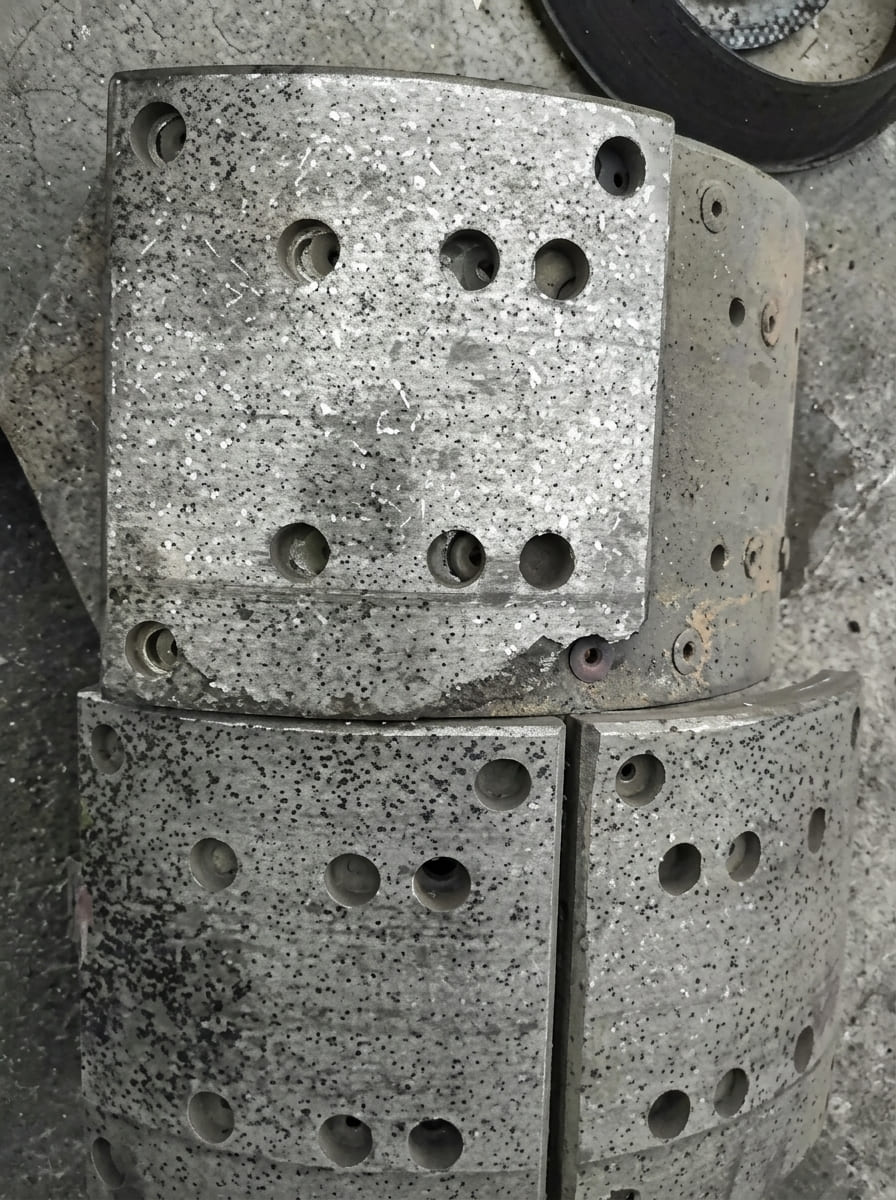
A: Rivet cracking and pad separation are serious failures that can occur during use.
Solution: Contact the professional market team for dedicated technical analysis.
Contact TOUGHPRO today. Our experienced sales and engineering team will provide professional technical support and competitive quotations within 24 hours.